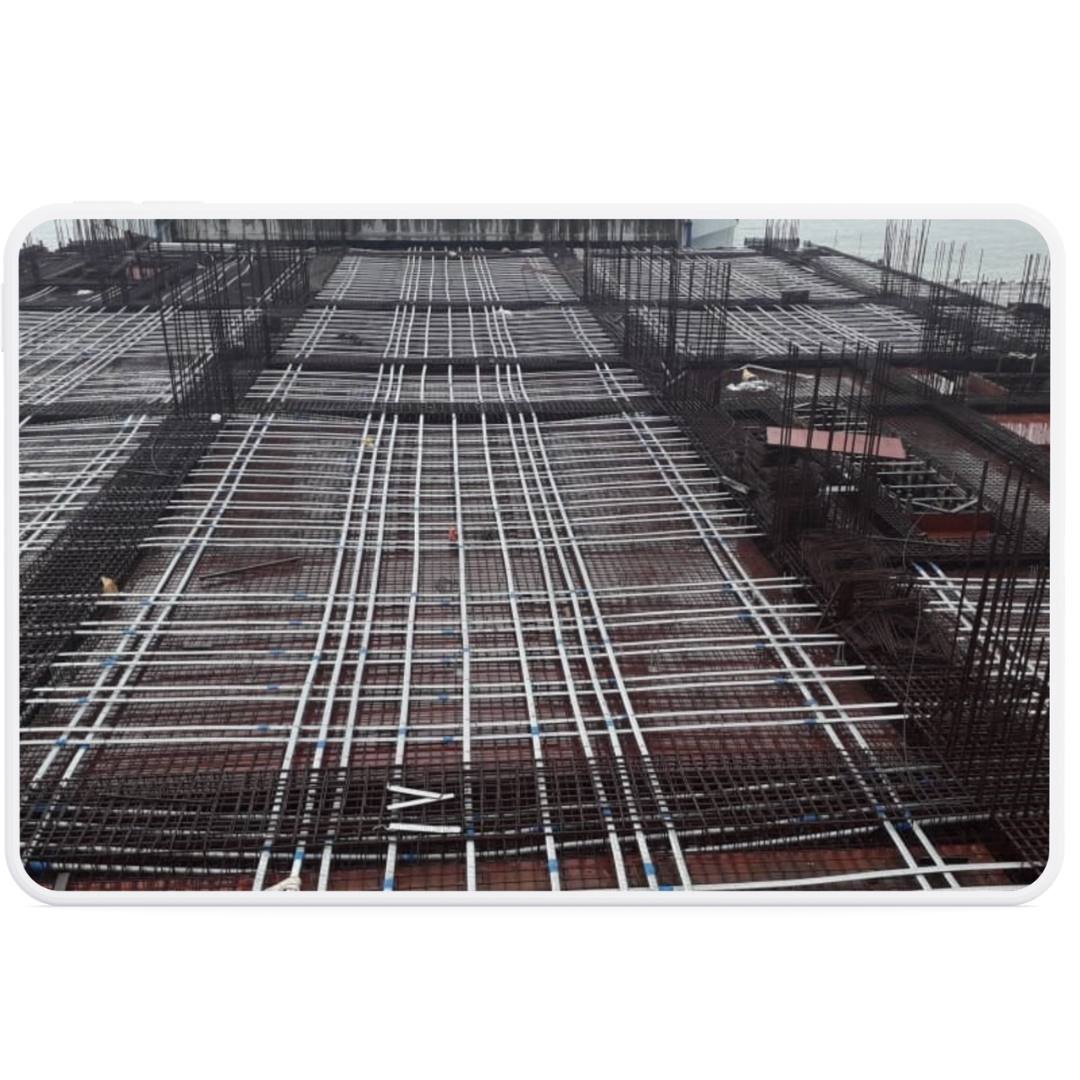
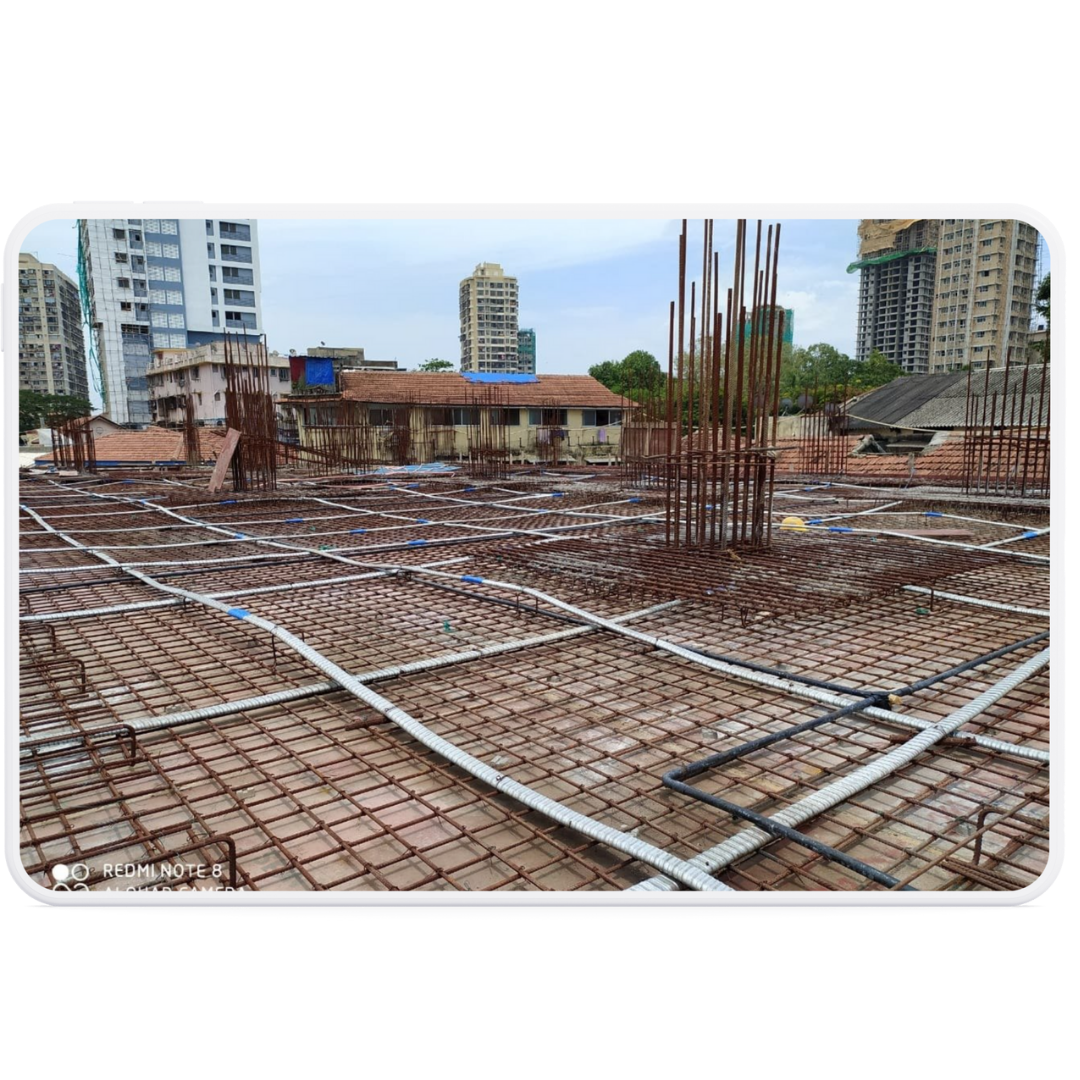
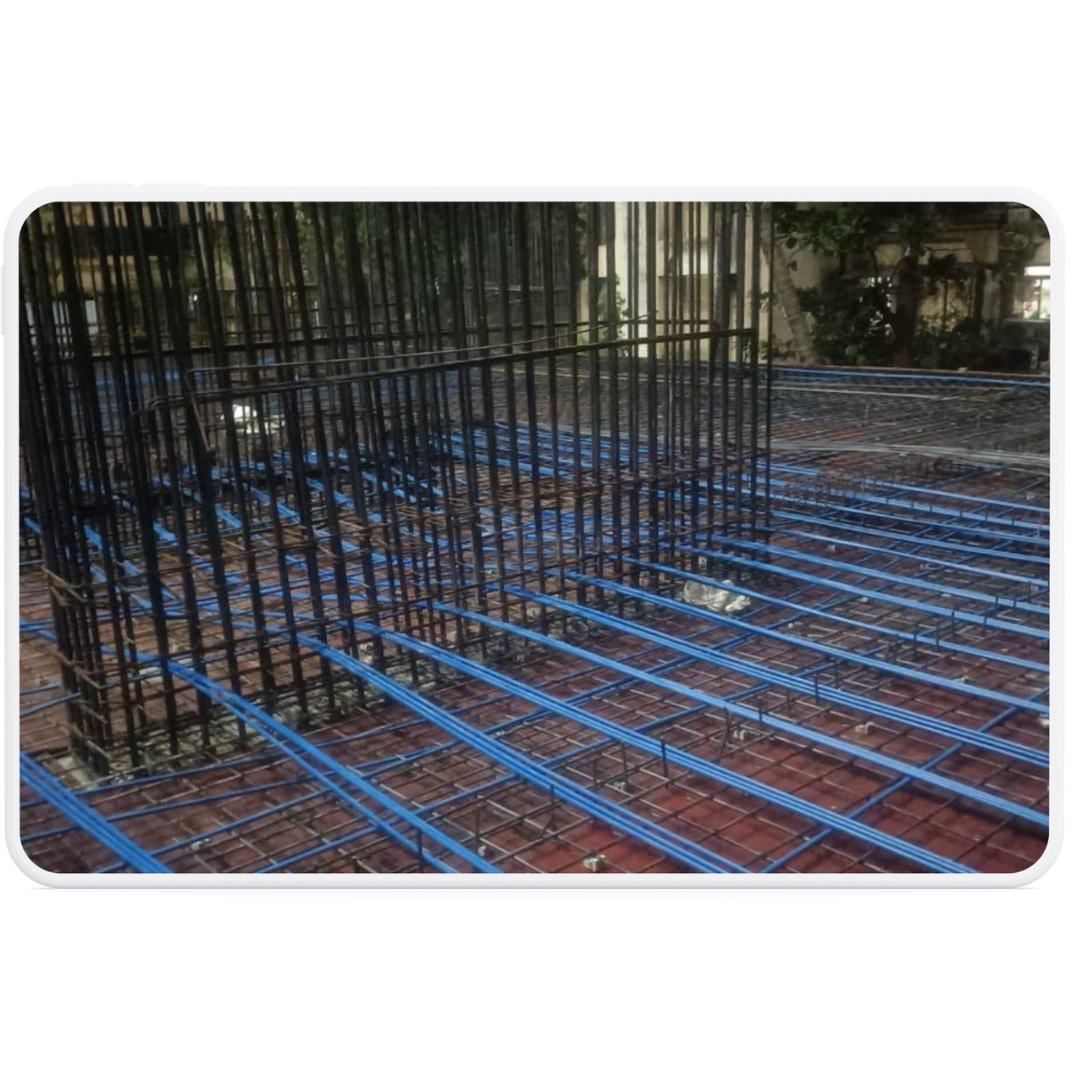
We are one of the leading providing “best-in-class” integrated solutions for Bonded Post-Tensioning and Unbonded Post-Tensioning System for improving the performance of building structure. We provide cutting-edge engineering solutions in the field of concrete construction and pre-stressed concrete technology with Projects in , United Arab Emirates and Saudi Arabia.
YEAR OF EXPERIENCE
PROJECT Completed
KGN, a specialist contractor provides quality prestress and Post Tensioning solution unified with modern technology to overcome concrete’s natural weakness in tension and generate favorable stress conditions in the structure
To reinforce concrete for the optimization of tension across The
structures.
Ground Anchors are used to transmit the forces to the soil by means of prestressed tendon.
KGN has executed numerous Projects in various categories such as Commercial, Residential,Industrial Buildings and so forth.
Skill Level
Skill Level
Skill Level
Skill Level
Higher success rate of completed projects
Faster completion of projects with quality work
Skilled, dedicated and highly experienced team
Faster completion of projects with quality work
With the skills, expertise and experience gained by working on various projects, KGN is always committed to deliver reliable and effective solutions that meet client requirements. Our work process includes following key stages
We try to understand your project and its key requirements for detailed feasibility check and material quantity estimation
Then with latest design software we design a structure and reinforcement plan for high performance solution.
Implementation of planned solutions on site followed by number of inspections and quality assurance formalities.
Post-tensioning is a construction technique used to reinforce concrete with high-strength steel strands, typically referred to as tendons. These tendons are tensioned after the concrete has been casted and has reached a certain strength, hence the term “post-tensioning”.
Post-tensioning allows for longer spans and thinner slabs, which can reduce the amount of concrete and steel needed.
The compressive force induced by post-tensioning helps to counteract tensile stresses, reducing the likelihood of cracks.
Post-tensioning allows for more innovative and efficient structural designs, including curved or complex shapes.
Properly post-tensioned structures can have a longer service life due to reduced cracking and better load distribution.
Bonded post-tensioning is a structural engineering technique used to strengthen concrete by applying compressive stress after the concrete has hardened. Unlike unbonded post-tensioning, where tendons (steel cables or strands) remain free to move within a protective sheath, bonded post-tensioning involves encasing the tendons in a duct that is later filled with grout (a cement-based material). This creates a permanent bond between the tendon, grout, and surrounding concrete
Unbonded post-tensioning is a method of reinforcing concrete structures by tensioning steel tendons (strands or cables) after the concrete has hardened, but without bonding the tendons to the surrounding concrete. Unlike bonded post-tensioning (where tendons are grouted into ducts to bond with the concrete), unbonded tendons are coated with corrosion-resistant grease and encased in a plastic sheath, allowing them to move independently within the concrete.